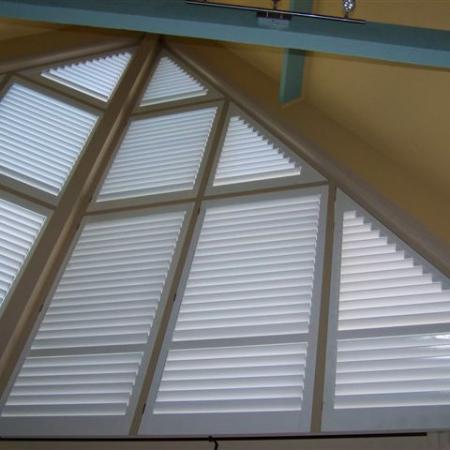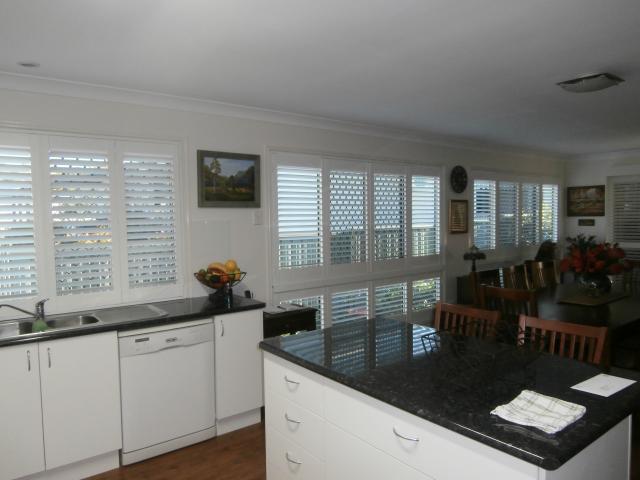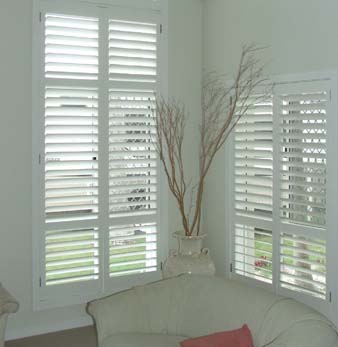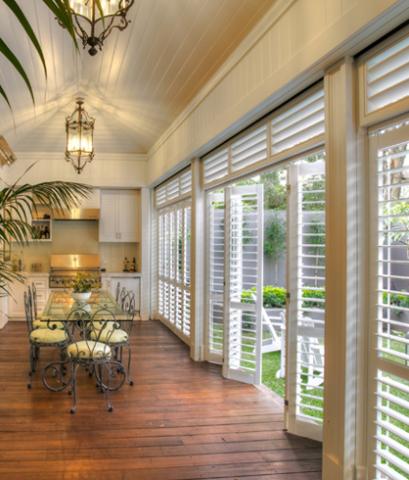
ShutterKits Offer Fast Delivery of Custom Made to Measure & Easy to Assemble Western Red Cedar Shutters in Kit Form. Sanded,Ready for Your Choice of Finish to Apply...
New!! Now Available: Pre-painted white hardwood shutters in kit form. Please contact us for more info...........

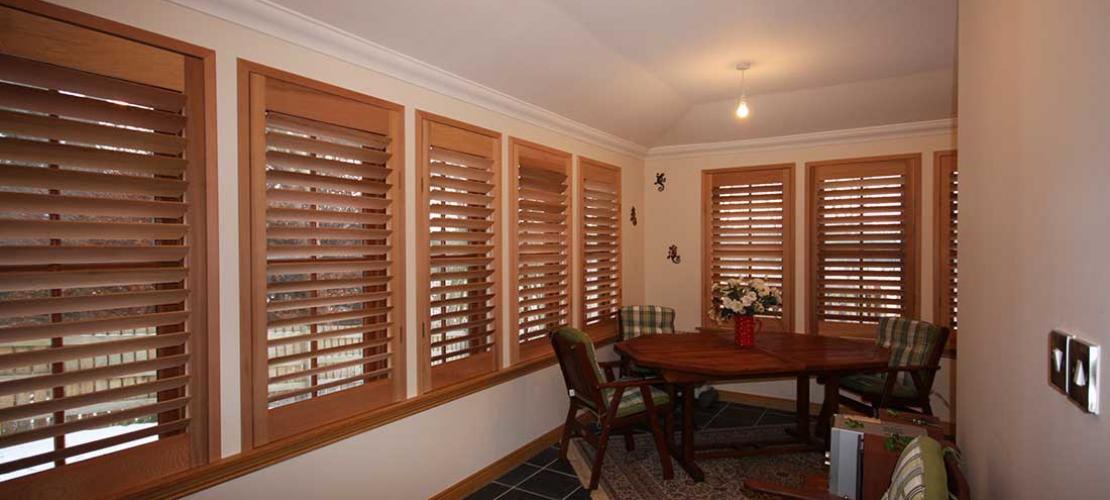
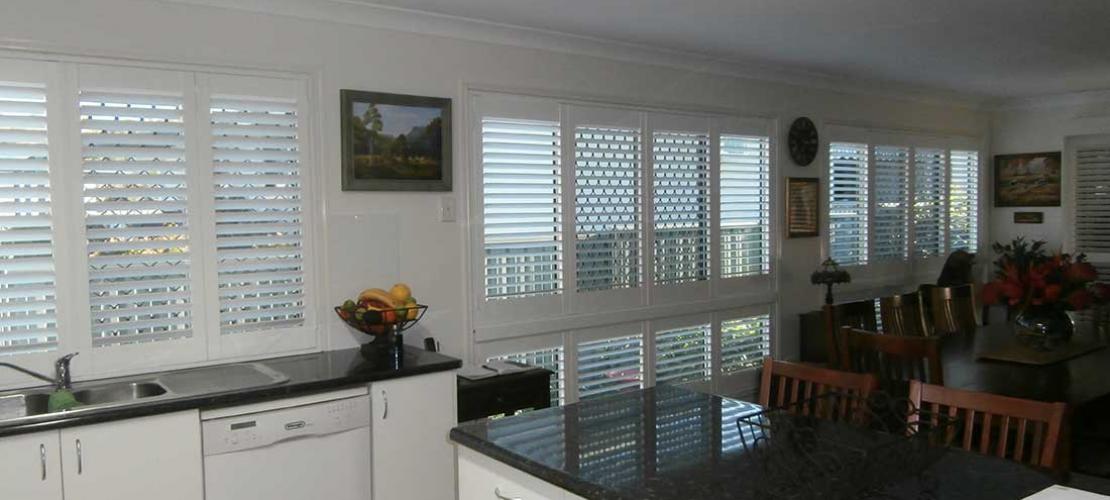
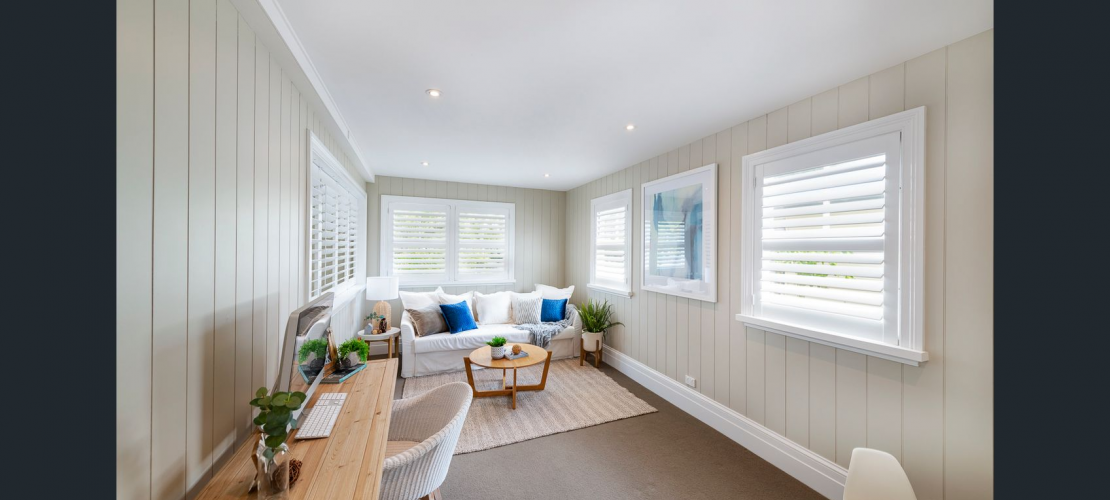
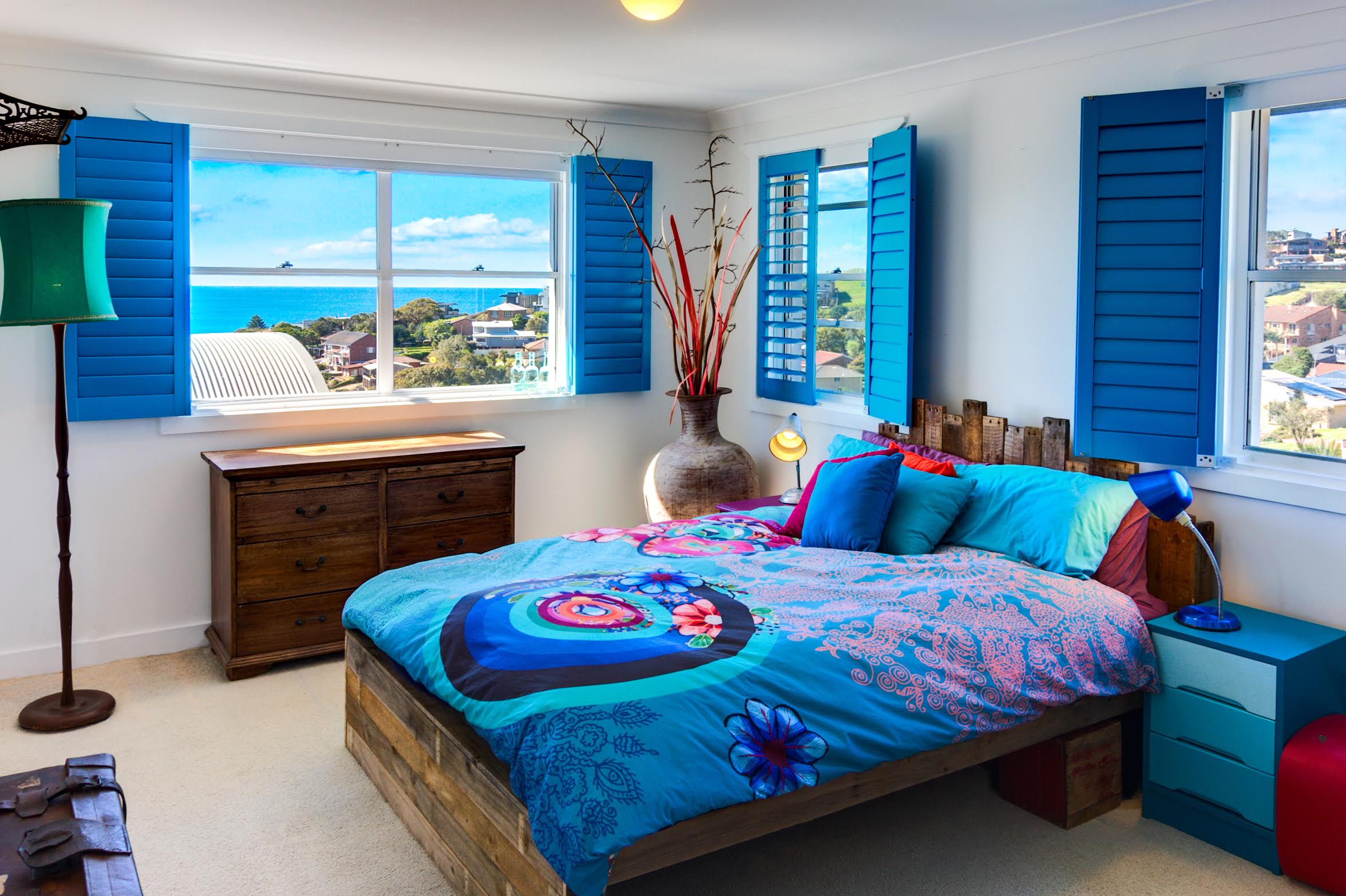
You Can Make Top Quality Solid Wood Internal Shutters for Anywhere in your Home at 1/3rd to 1/2 of the Cost of other “Professionally” Made, Finished and Fitted Shutters... Interior Shutter Doors
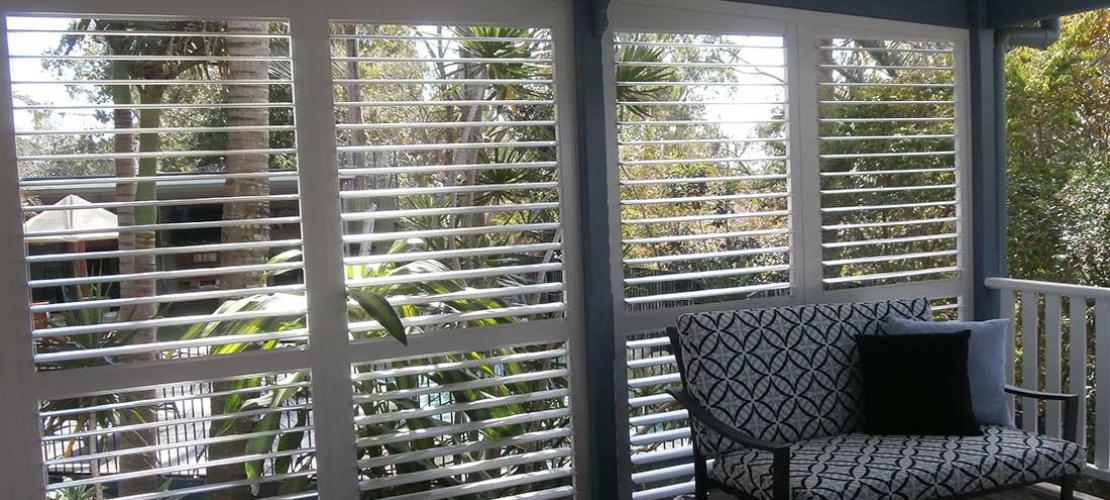
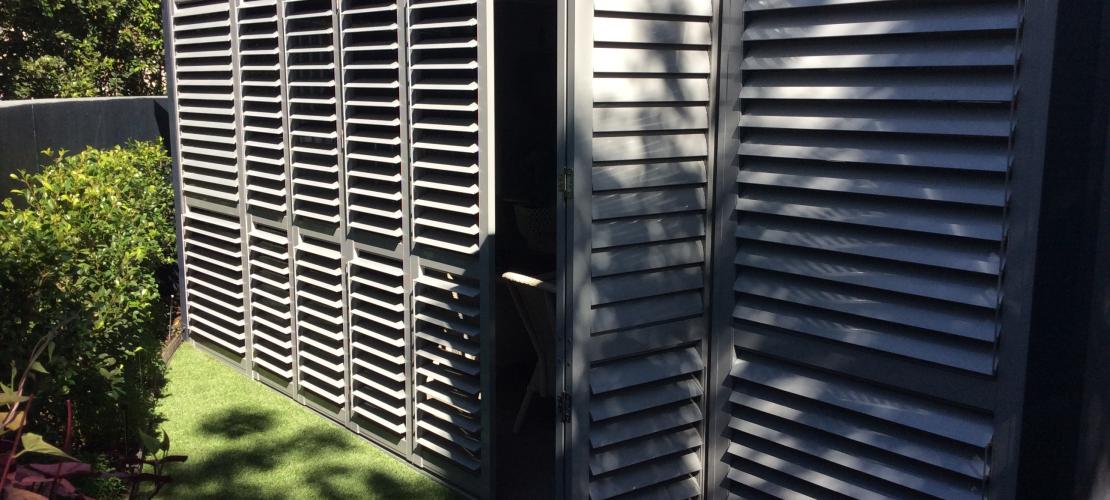
External Shutters enclose a gazebo
You Can Make Top Quality Solid Wood External Shutters for Anywhere Outside Your Home at 1/3rd to 1/2 of the Cost of other “Professionally” Made, Finished and Fitted Shutters...

Proudly Australian Made & Owned.
A.B.N. 67 106 934 641

ShutterKits many design features include:

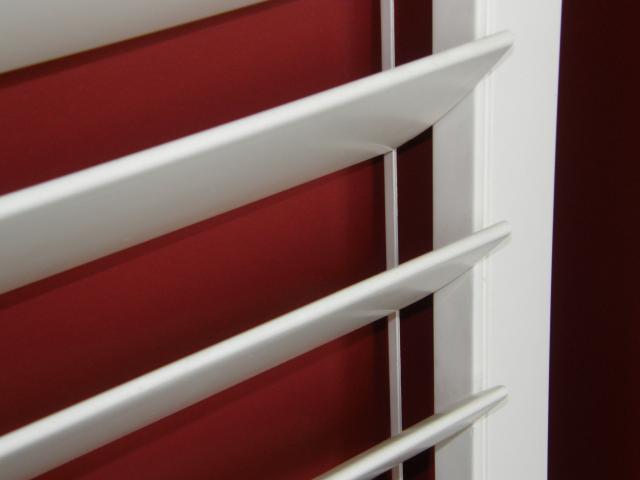
Shutter Main Blade Ends Pivots are Machined on the end of the blades - No split ends of blades that are caused by inserting a pin into the end of the blade. No plastic parts are used in the Shutter!

Shutter Main Tenon Stile & Rail Joints are Mortise & Tenon.
Shutter Main Rotation Bar

Stainless Steel pre-stapled blades are linked with a quick-fit alloy strip that is pressed into the Cedar Rotation Bar. No plastic nuckles that break and detach in our shutters!

Clearview Bar also available!

Shutter Main Tensioner

Unique to ShutterKits is an adjustable tensioning of the blade rotation from inside of the stile.


ShutterKits staff will gladly offer their professional help in any installation enquiries that you have.


ShutterKits Offer

  • Custom Made Western RedCedar Shutters in Kit Form
  • Containing all Parts & Comprehensive Instructions…….
  • Top Quality Durable Shutters…Parts Fully Machined & Sanded…
  • Quick & Simple Assembly… Unique Design Features…
  • Only 1st Grade Cedar Used… Choice of Blade Styles…


ShutterKits
  • Also the Largest Supplier of Kitset Shutters
  • High Quality"Shutter Manufacturers" in Australia and New Zealand.


The DIY industry has grown markedly since the 1980s as DIY has become a popular weekend pastime for people wanting to improve their living conditions (and the value of their house) without the expense of paying someone to do it. The cost of paying someone else to measure, make, finish and fit your shutters can be a significant cost. If you, your dad or mum, partner or friend can use basic hand tools, then you can save heaps. Each product is custom made to fit the window measurements provided.

History of Shutters:

For generations, people have selected wood shutters for their windows because of the durability, classic style and easy maintenance that shutters provide. They are frequently thought of as a standard fixture on historical buildings worldwide. Although shutters are in use almost universally, it is difficult to determine the exact historical origins of the use of shutters.

It is commonly believed that shutters were first used in ancient Greece in order to provide light control, ventilation and protection in that tropical environment. Those first shutters were likely constructed with fixed louvre's made out of marble. Eventually, the concept of shutters spread throughout the Mediterranean, and the form began to change. Wood started to replace marble as a more suitable material for production, and designers started developing movable louvre shutters to allow varying amounts of light and air into a room.

Shutters generally performed two functions; admitting light and ventilation. Louvred shutters could be closed to minimise heat from the sun and simultaneously allow for ventilation and privacy when needed. With the louvres pointed in the downward direction, the shutters also shed rainwater. Solid shutters provided more insulation and were able to prevent insects from entering the home.

In medieval Europe, houses had rectangular windows with solid shutters that sometimes closed with a large iron bar for security and protection. By Tudor and Elizabethan times, glass windows started to be used, but they were very expensive, therefore reserved for the upper half of window openings. Solid shutters below the sash, windows remained closed with solid shutters. Hinged glazed sashes started replacing the solid shutters in the 15th century. After that point, interior shutters were increasingly used as decoration in homes rather than strictly functional purposes. Woodwork like window shutters and moldings became the main decorative elements in smaller houses in early 18th century England.

As wood construction started to be used for houses in the Victorian period, people started using shutters outdoors. The stone and brick houses built previously had deeper recessed windows that prohibited the use of exterior shutters because they would be unreachable from the inside. However, the thinner wooden walls allowed indoor access to exterior shutters.

As the Spanish started colonising the Americas, they brought shutters to the New World. Decadent mansions in the South used shutters, and the term ‘plantation shutters’ is derived from this area. Plantation shutters on cotton plantations usually had wider louvres than shutters used earlier, and they were almost always painted white. Traditional shutters often found in the New England states trace their roots to England, where the narrower louvre was used. Often café type shutters mimic the original use of shutters on the bottom portion of windows before glass was affordable.